Why brownfield is harder than greenfield
In a new plant, the control system is designed together with everything else. In a running plant it has to fit around what is already there: PLC generations that no longer talk to each other, OEM packages with closed controls, changes made over the years that were never documented, and a production schedule that leaves short windows for change.
The risk sits in the gaps: an interlock nobody wrote down, a network dependency that appears on start-up day, or an operator workaround that was quietly holding the process together.
What waiting costs
Separate control islands make batches harder to repeat and records harder to keep. Manual batching and fixed-speed equipment limit capacity, consistency and traceability. Reports are compiled by hand, spares for obsolete hardware get harder to find, and more of the plant’s know-how ends up in a few people’s heads.
A five-step approach
Audit the installed base
I/O lists, drawings, PLC and HMI versions, networks, panels, and how operators actually run the process. Mark what works, what is at end of life and what is undocumented.
Decide what to keep
Reactors, vessels and drives in good condition can usually stay. Automate and connect them, and replace only where the risk or the gain justifies it.
Define the control structure
For batch plants, an ISA-88 structure separates equipment from recipes, so products and procedures can change without rewriting code, and every batch leaves a record.
Test before site
Test the new logic against the agreed specification at factory acceptance, then confirm it on site. A URS, FDS, FAT and SAT give every stakeholder the same reference.
Cut over in planned windows
Stage the change area by area around shutdowns, with fall-back plans, trained operators and support on site through start-up.
From our projects
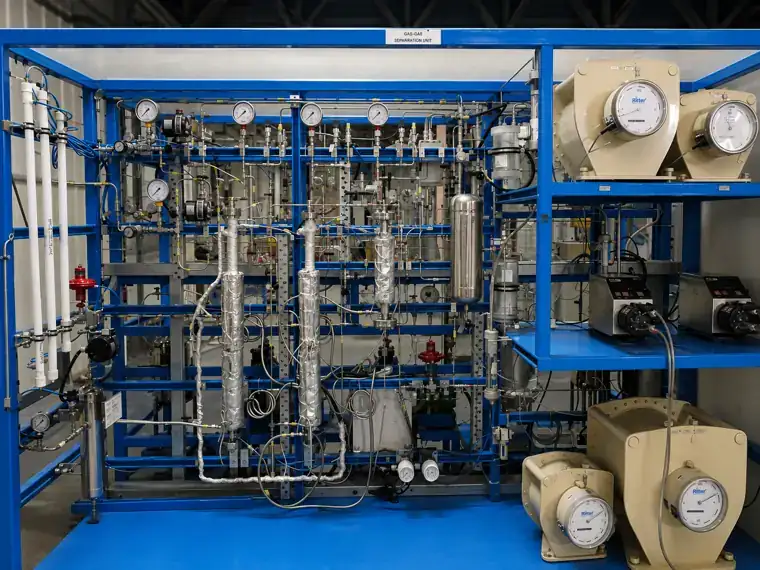
Research laboratory. Existing metal-extraction reactors retained and automated with pH control, dosing, temperature, agitation and PLC / SCADA, ready for future scale.
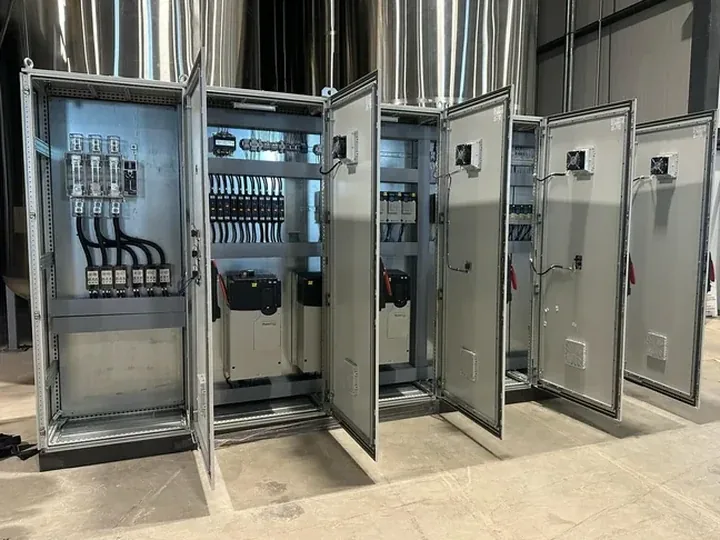
See the project portfolioCleaning-product manufacturer, Canada. Automated compounding with 26 VFDs and 4 agitators, ISA-88 recipes and a paperless audit trail, with 15% energy and material saved.
Read the case studyGlobal healthcare company, Toronto. Adjuvant and CIP skid automation to 21 CFR Part 11, with ISA-88 sequencing and OPC UA links to the plant’s existing DCS, documented from URS to SAT.
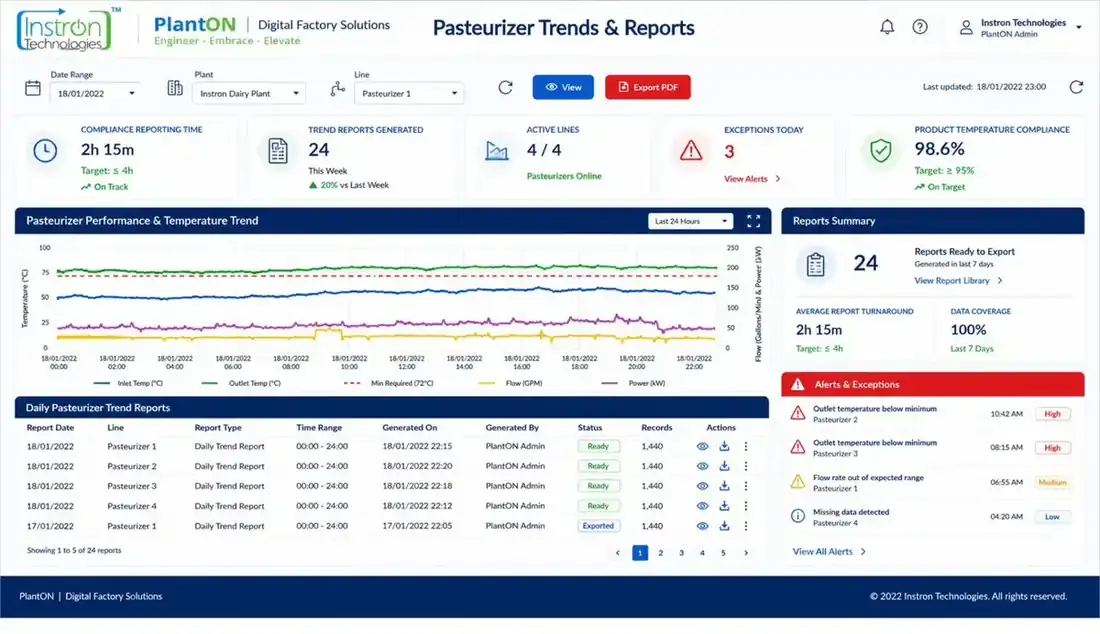
See the project portfolioDairy, California. A centralized control system across all areas, with more than 2,000 I/O and PlantON™ for CIP validation and traceability.
Read the case studyWhen to replace instead
Retrofitting is not always the answer. Replace when hardware is past support and spares have become a production risk, when the process has changed enough that the old control philosophy no longer fits, or when safety or compliance requirements cannot be met on the existing platform. The audit in step one is what lets you make that call on evidence rather than habit.